When Jana Horn names her third album after herself — released January 16, 2026 via No Quarter — it feels less like a reset and more like an excavation: an unguarded look into the quiet but seismic shifts of her inner life and artistic world. Unlike the more structured folk narratives on her earlier work (Optimism, The Window Is the Dream), this self‑titled outing thrives in open, reflective spaces. The songs were mostly written during her first year living in New York after completing an MFA in creative writing — a move she’s described as almost “too right, like an arranged marriage,” a transition that left her feeling untethered and emotionally raw.
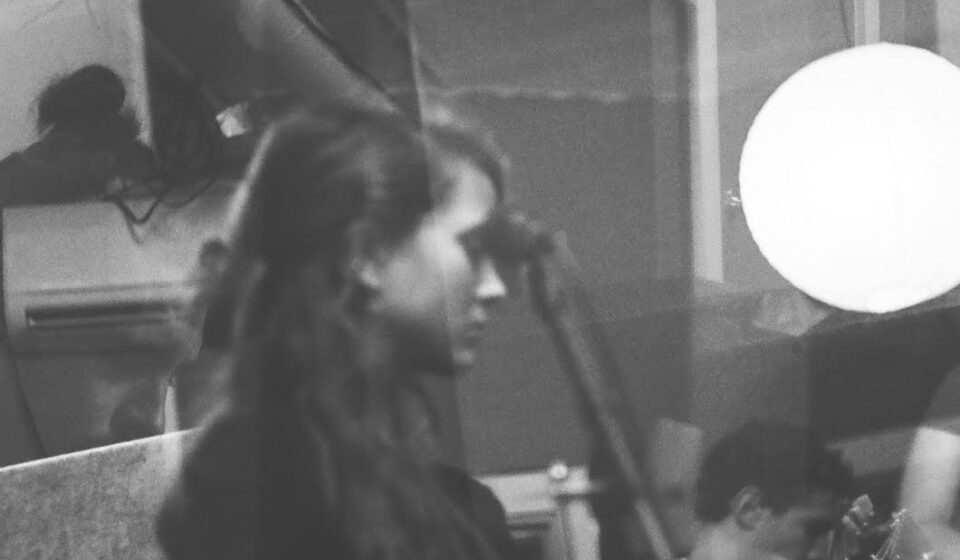
The album was recorded back in the West Texas desert at Sonic Ranch with her core collaborators — drummer Adam Jones and bassist Jade Guterman — plus clarinet and flute from Adelyn Strei and piano contributions from Miles Hewitt. This setting, half‑monumental studio and half‑dusty isolation, mirrors the music’s elemental spirit: stark, provisional, and lovingly unfinished. Across its ten tracks, Horn’s voice feels both conversational and haunting. She often leans into what listeners might recognize as her signature approach — lines that seem offhand but cut deep: gentle rhetorical questions, fragmented images, and a delivery that feels like a story told quietly over coffee. The opener, “Go on, move your body,” embodies this mood — an invitation to keep going even when meaning seems slippery, framed by sparse guitar and drifting woodwinds. Nowhere is this tension between stillness and motion more evident than on “All in bet,” a song written after a night in a city dive bar that finds clarity in ambiguity — the kind that comes only after trudging through uncertainty. On tracks like “It’s alright” and “Unused,” Horn and her band build quietly from minimal beginnings into gentle, enveloping textures, using silence and space as much as sound.
Critically, Jana Horn has been celebrated for its patient, probing lyricism and rich emotional terrain, even when its pacing tends toward the deliberate. Reviewers especially note how her words border on poetry, unfolding like private thoughts rather than polished narratives. Some listeners find its minimalism haunting and meditative; others see the pared‑back arrangements as reflective of the album’s themes of displacement and introspection. In a way, this record doesn’t offer answers — it leans into uncertainty, embraces it, lets it linger in the spaces between guitar strums and breaths. It’s an album not just of songs, but of questions — gentle, persistent, and beautifully unresolved
